Roof Ventilator Repair in Provo, UT
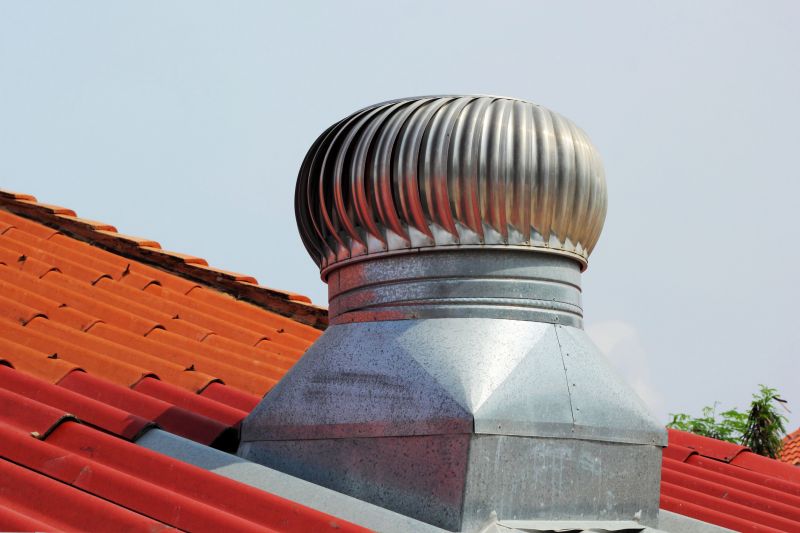
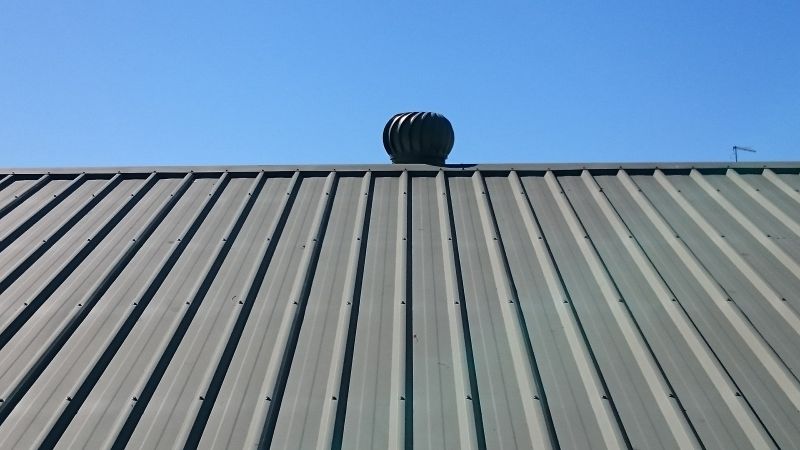
Roof ventilator repair services address issues with ventilation systems installed on residential roofs, ensuring proper airflow and preventing moisture buildup inside the attic or roof space. These services typically cover repairs for various types of roof vents, including ridge vents, attic fans, turbine vents, and soffit vents. Homeowners often seek repairs when they notice signs such as increased energy bills, excessive attic heat, or moisture-related problems like mold or roof damage, which can result from malfunctioning or damaged vents.
Before requesting roof ventilator repair, property owners should understand the specific type of vent installed on their roof and be aware of any visible signs of damage or inefficiency. It’s helpful to identify if the vents are making unusual noises, if there are signs of leaks or blockages, or if airflow seems restricted. Proper diagnosis can ensure that repairs address the root cause of ventilation issues, helping to maintain the roof’s integrity and indoor air quality.
Many property owners in Provo, UT look into Roof Ventilator Repair for repairs, replacements, upgrades, and appearance-related improvements.
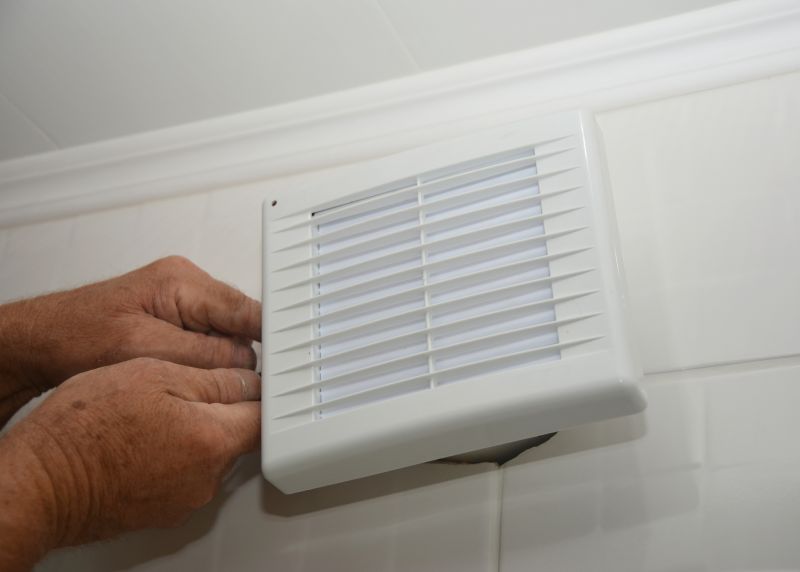
Common Ventilation Issues
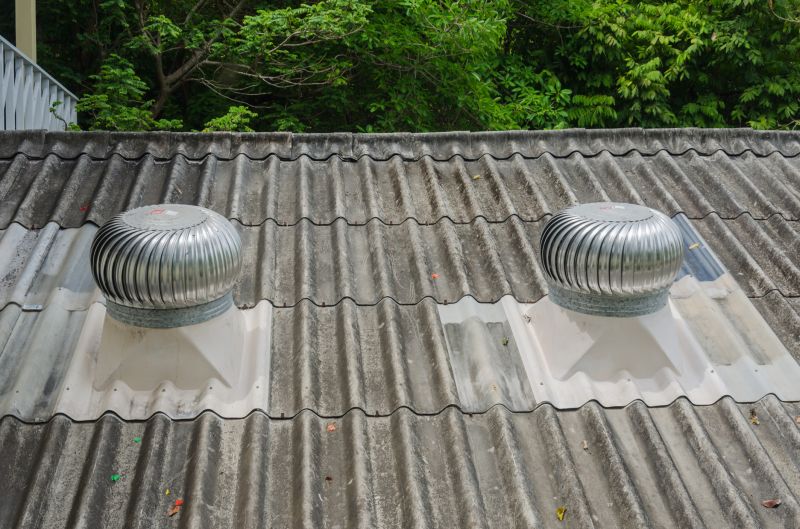
Problems like noise, leaks, or poor airflow can indicate a need for repair.
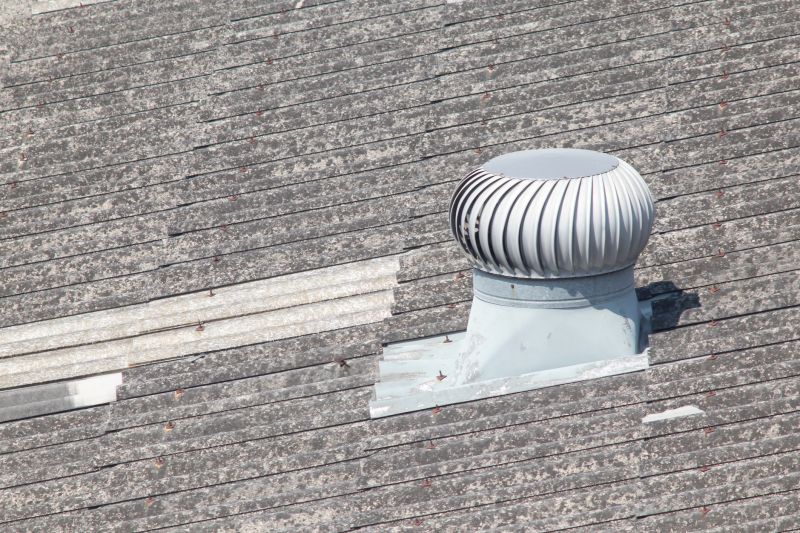
Signs Of Ventilator Damage
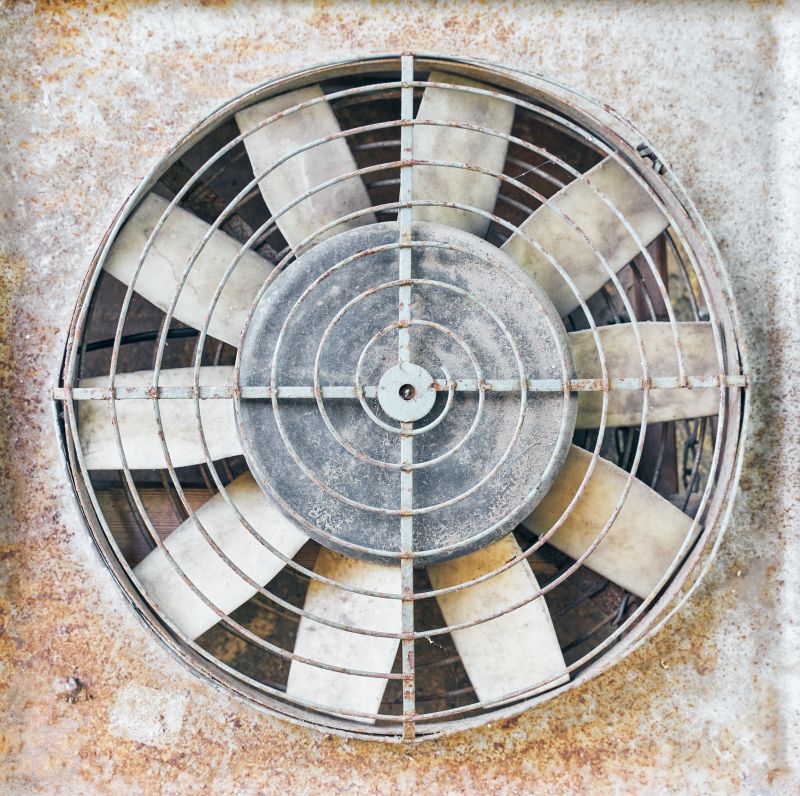
Visible rust, cracks, or inconsistent operation suggest the need for professional inspection.
Benefits Of Proper Ventilation
Effective roof ventilators help regulate attic temperature and prevent moisture buildup in provo homes.
Roof Ventilator Repair in Provo, UT
Roof ventilator repair services address issues with ventilation systems installed on residential roofs, ensuring proper airflow and preventing moisture buildup inside the attic or roof space. These services typically cover repairs for various types of roof vents, including ridge vents, attic fans, turbine vents, and soffit vents. Homeowners often seek repairs when they notice signs such as increased energy bills, excessive attic heat, or moisture-related problems like mold or roof damage, which can result from malfunctioning or damaged vents.
Before requesting roof ventilator repair, property owners should understand the specific type of vent installed on their roof and be aware of any visible signs of damage or inefficiency. It’s helpful to identify if the vents are making unusual noises, if there are signs of leaks or blockages, or if airflow seems restricted. Proper diagnosis can ensure that repairs address the root cause of ventilation issues, helping to maintain the roof’s integrity and indoor air quality.
Many property owners in Provo, UT look into Roof Ventilator Repair for repairs, replacements, upgrades, and appearance-related improvements.
Common Roof Ventilator Repair Jobs
Roof ventilator repair involves fixing or replacing damaged vents to ensure proper airflow.
Exhaust fan repairs help maintain ventilation and prevent moisture buildup in the attic.
Damaged vent cover replacement restores the function and appearance of roof vents.
Venting system troubleshooting identifies and resolves issues causing poor attic ventilation.
Leak repair around roof vents prevents water intrusion and further roof damage.
Vented roof system upgrades improve airflow efficiency and energy performance.
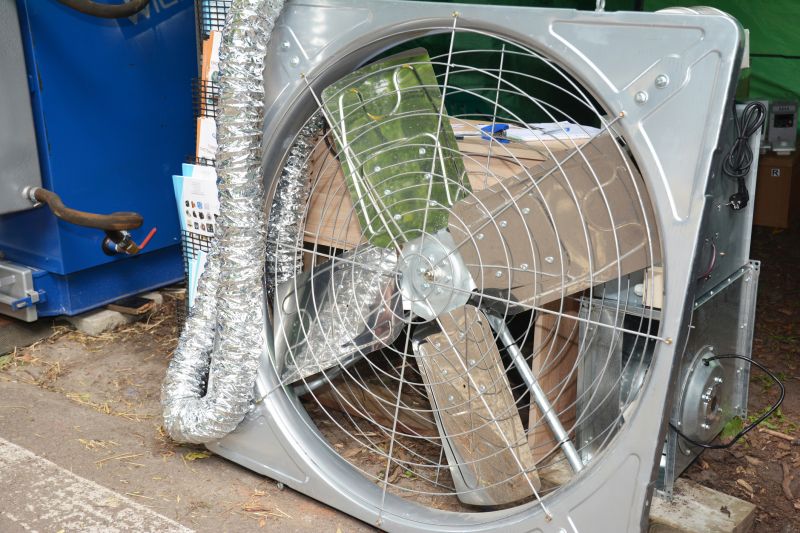
Roof Ventilator Repair Questions
What are common signs of a faulty roof ventilator? Signs include unusual noises, increased energy bills, or poor attic ventilation, indicating potential issues.
Can roof ventilator problems cause roof damage? Yes, malfunctioning ventilators can lead to moisture buildup, which may cause roof deterioration over time.
What types of roof ventilator repairs are typically needed? Repairs often involve replacing damaged blades, fixing motor issues, or sealing leaks around the unit.
Why is proper ventilation important for a roof system? Proper ventilation helps regulate temperature and moisture, protecting the roof structure and extending its lifespan.
Request Roof Ventilator Repair in Provo, UT
Use the quote form on this page to share the basics of your project and request more information for the type of work you need.